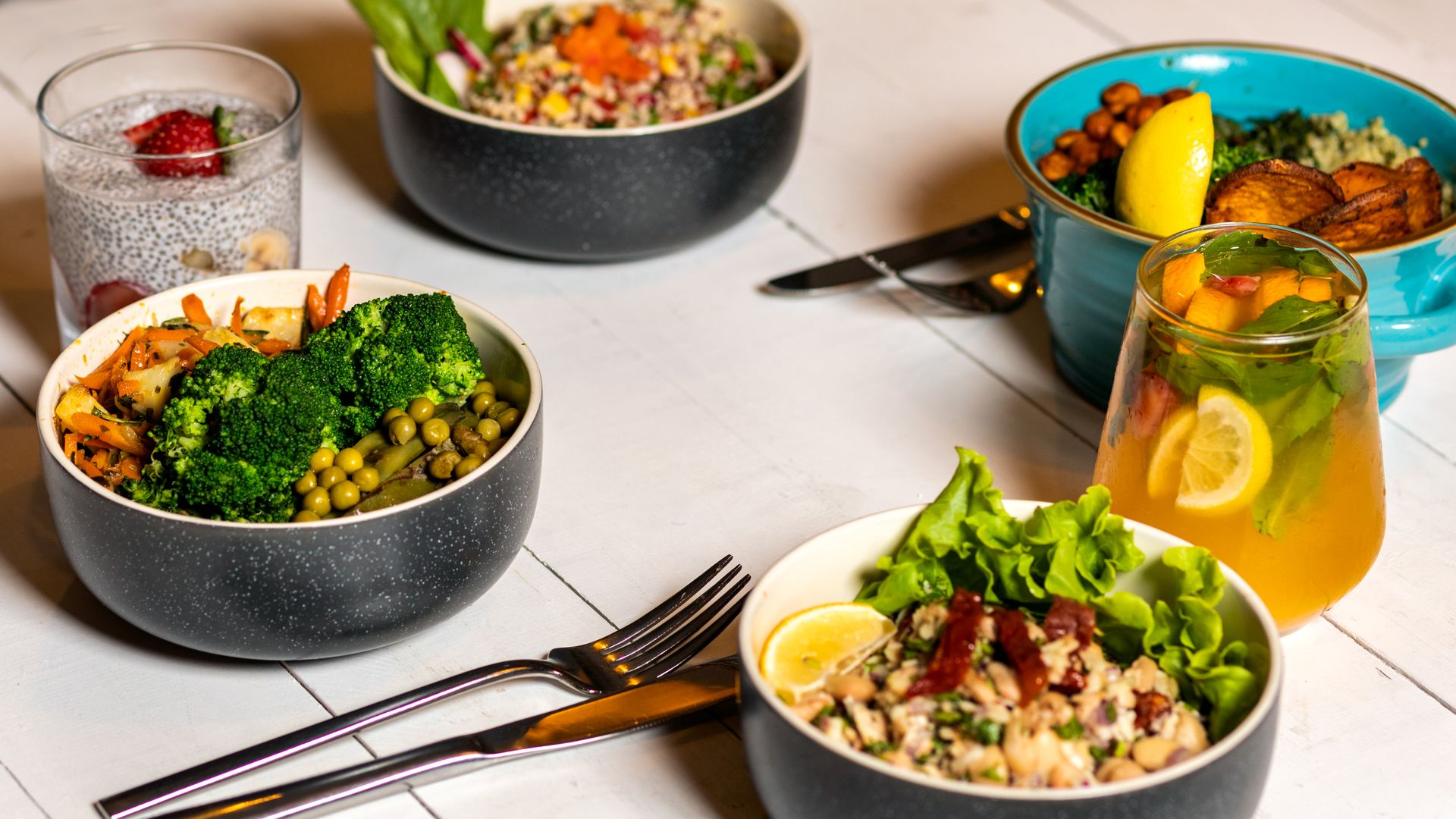
Navigating Nutrition: Your Guide to Weight Loss and Healing Diets
Nutrition is a crucial aspect of our health, especially when dealing with weight loss or recovery from illnesses. With over 11 years of experience as a dietitian, I have guided many individuals, from pre- and postnatal women to orthopaedic patients. Now, as I embark on my own journey to help more people, I want to share essential tips and insights on how to achieve your ideal weight and maintain good health during and after treatment.
Understanding Your Nutritional Needs
Every individual's nutritional needs are unique and can greatly depend on factors such as age, sex, lifestyle, and medical history. Here are some general guidelines to keep in mind:
- Assess Your Goals: Are you aiming for weight loss, muscle gain, or recovery? Understanding your goals will shape your dietary choices.
- Caloric Intake: Calculate your daily caloric needs and make sure to adjust your intake appropriately. A deficit is usually needed for weight loss, while more calories may be required for recovery.
- Balance Macronutrients: Include a healthy balance of carbohydrates, proteins, and fats in your meals. For weight loss, higher protein can be beneficial.
Creating a Weight Loss Plan
Embarking on a weight loss journey can be challenging, but having a structured plan will help keep you on track. Follow these steps:
1. Meal Planning
Plan your meals ahead of time to avoid impulse eating. Here’s a basic weekly framework:
- Breakfast: Include whole grains, fruits, and proteins—think oatmeal with nuts or Greek yogurt with berries.
- Lunch: A mix of lean proteins, healthy fats, and veggies—grilled chicken salad or quinoa with vegetables.
- Dinner: Aim for lighter meals with lots of veggies—vegetable stir-fry with tofu or broiled fish with steamed vegetables.
- Snacks: Choose healthy options like fruits, nuts, or vegetable sticks with hummus.
2. Stay Hydrated
Water is essential for weight loss and recovery:
- Aim for 8-10 glasses of water a day.
- Incorporate hydrating foods like cucumbers, oranges, and strawberries.
3. Incorporate Exercise
Physical activity complements a healthy diet. Incorporate a mix of:
- Aerobic exercises: Walking, running, or cycling to help burn calories.
- Strength training: Building muscle can boost your metabolism.
- Flexibility and balance workouts: Yoga or pilates can enhance recovery and prevent injury.
Nutrition During Recovery
If you've undergone treatment for an illness or surgery, your dietary needs may change significantly. Here are some tips:
- Focus on Nutrient-Dense Foods: Incorporate a variety of fruits, vegetables, whole grains, lean proteins, and healthy fats to support healing.
- Protein Intake: Essential for tissue repair; consider sources like legumes, fish, chicken, and tofu.
- Vitamins and Minerals: Ensure adequate intake of vitamin C (citrus fruits), vitamin D (sunshine or fatty fish), and calcium (dairy or leafy greens).
Conclusion
Your journey towards better nutrition is personal and requires dedication. By understanding your nutritional needs, creating structured meal plans, and considering your specific health conditions, you can accomplish your weight loss and recovery goals. Embrace this journey, and remember that I am here to support you every step of the way as I begin my own practice. Your health is worth investing in!